The conference on "State-religion relations: in the context of geopolitical realities and global challenges" has ended
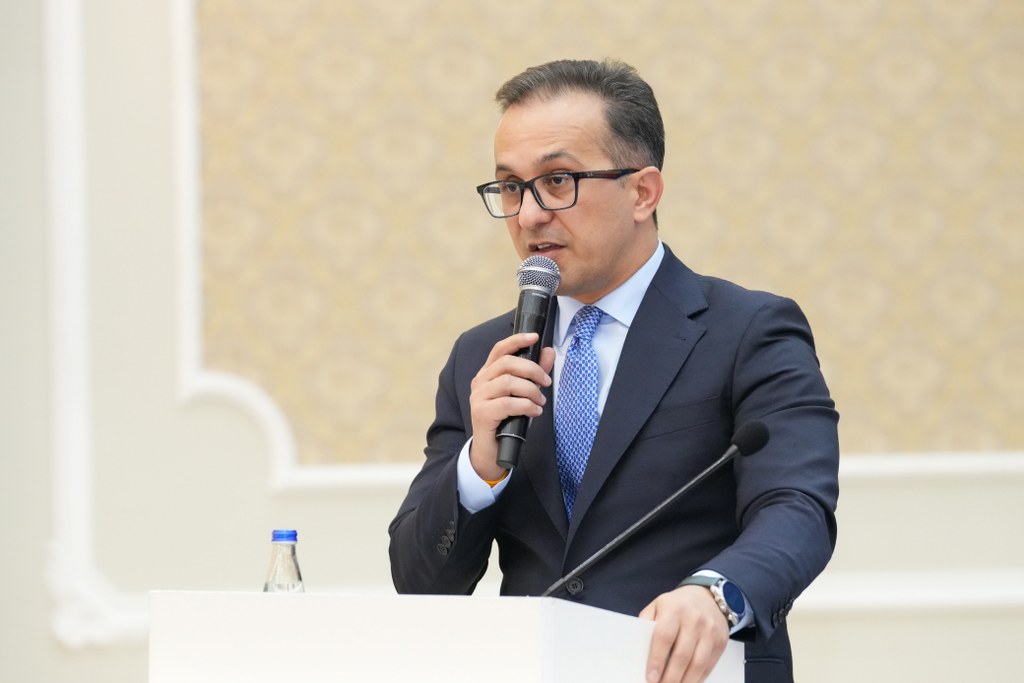
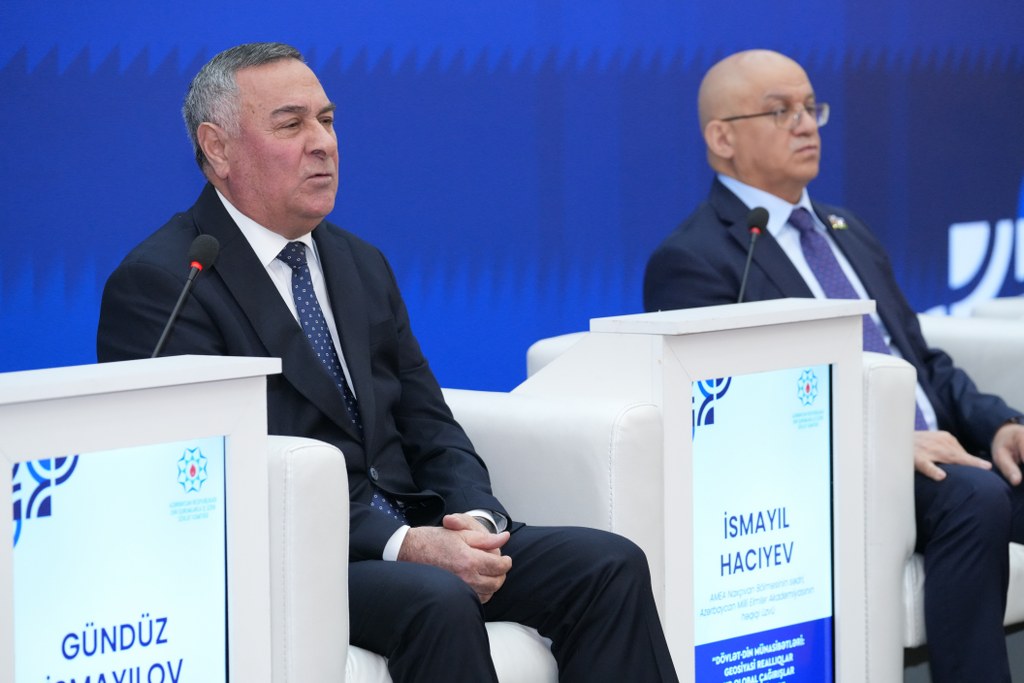
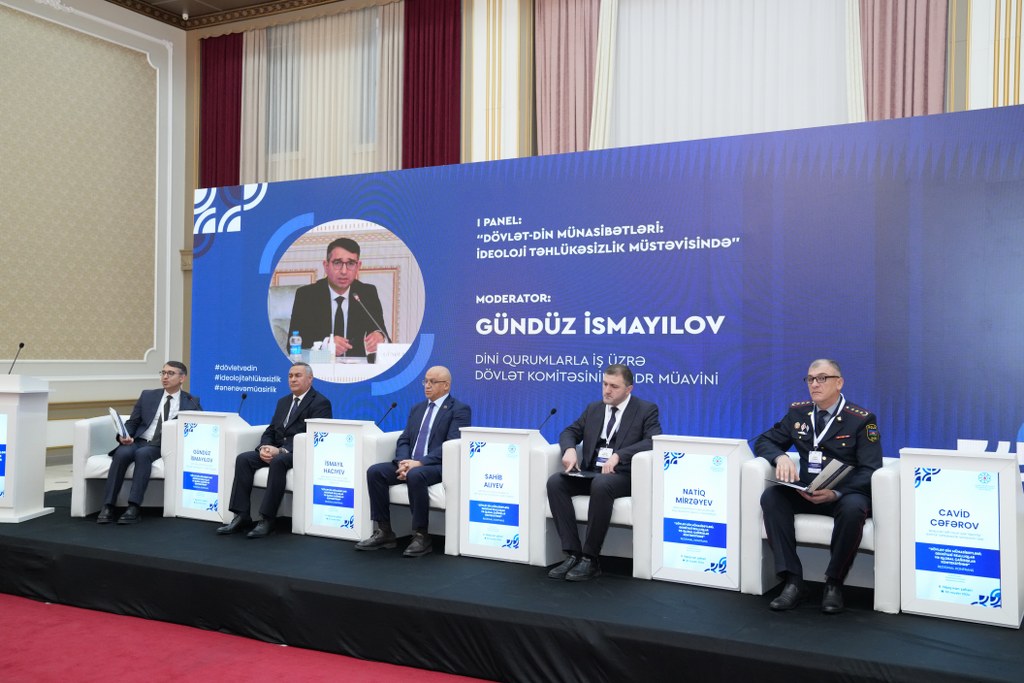
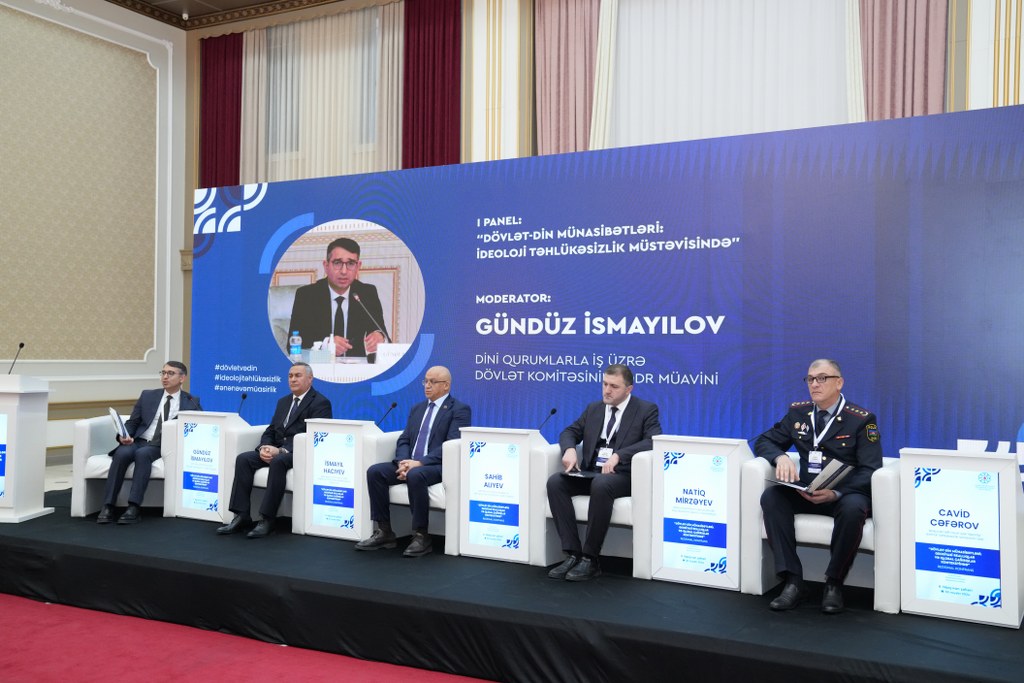
On November 30, the conference on "State-religion relations: in the context of geopolitical realities and global challenges" held in Nakhchivan continued its work with panels. The 1st panel moderated by the Deputy Chairman of the State Committee on Affairs with Religious Associations Gunduz Ismayilov was dedicated to the topic "State-Religion Relations: at the level of ideological security". The Deputy Chairman made a presentation on "Religion and Ideological Security in a Secular State" and drew attention to the consequences of opposing religious identity to national identity, weakening secularism among the religious contingent, politicizing religion, creating polarization in society, and other such attempts. He said that one of the most successful measures in the effective fight against harmful propaganda is the expansion of religious education organized with the right methods.
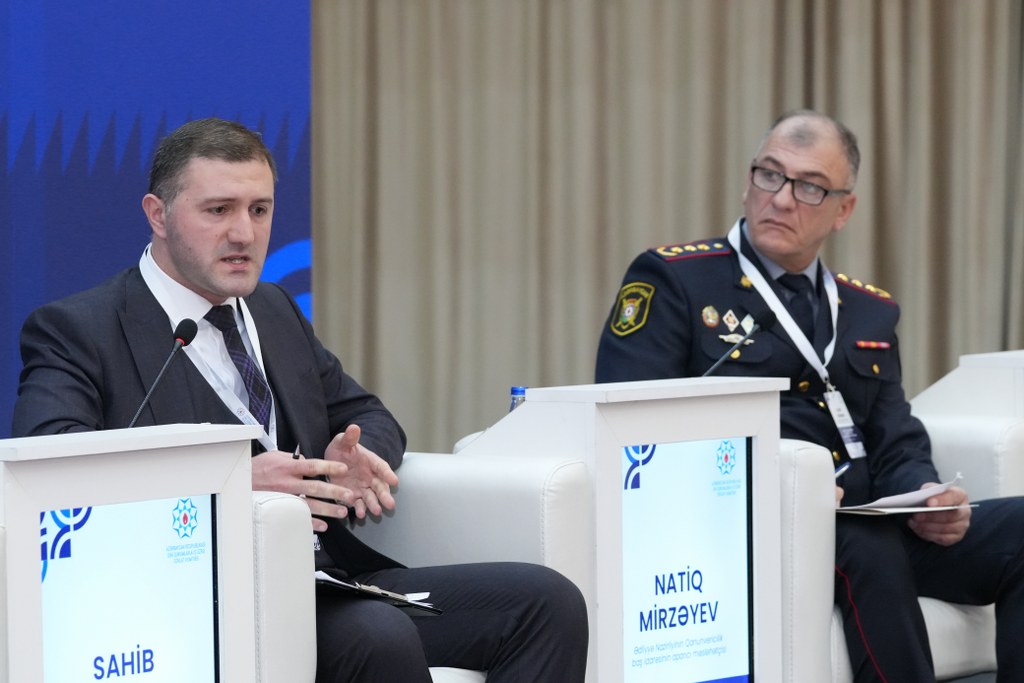
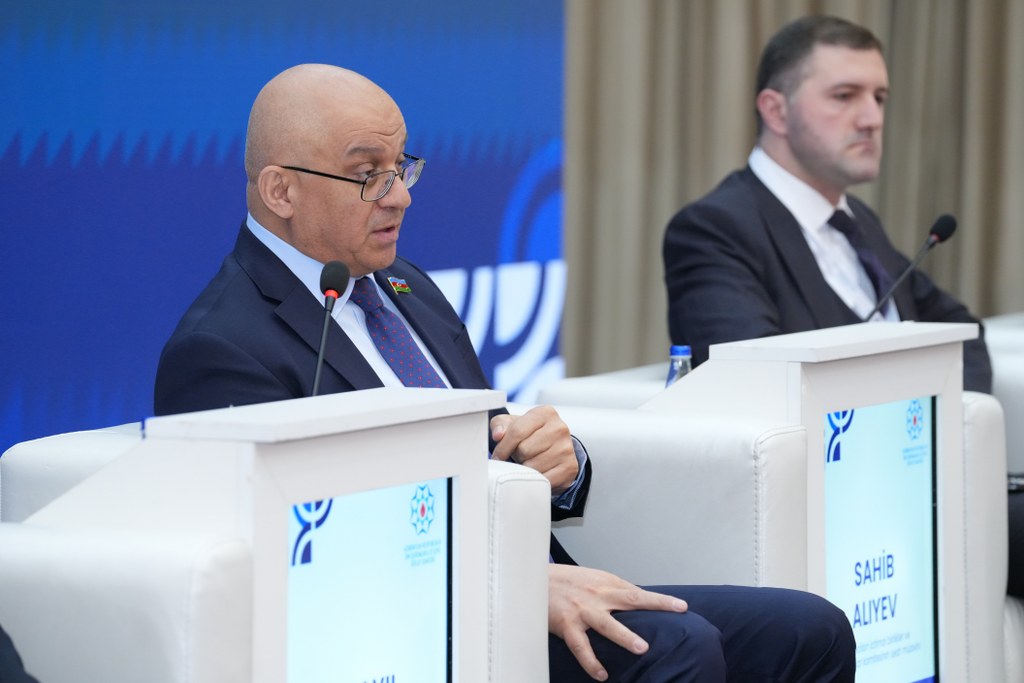
Sahib Aliyev, Deputy Chairman of the Committee of Public Unions and Religious Institutions of the Milli Majlis of the Republic of Azerbaijan, noted that the President of Azerbaijan, Ilham Aliyev, after securing our territorial integrity, is paying special attention to the issue of our ideological security. The model of state-religion relations established by the National Leader Heydar Aliyev in our country expresses the interests of our people and is based on democratic principles. The deputy also emphasized that our historical traditions and the geography we live in dictate us to be tolerant.
Natig Mirzayev, an employee of the General Department of Legislation of the Ministry of Justice of the Republic of Azerbaijan, said that the establishment of freedom of conscience in the country is one of the main conditions for the preservation of tolerance and multiculturalism. In our republic, very important and serious steps have been taken in the field of protection and provision of the rights of religious minorities. In this regard, it is important to adopt the Law "On Freedom of Religious Belief" and make appropriate amendments to it in accordance with the circumstances over time.
Chairman of the Nakhchivan Department of ANAS, professor Ismayil Hajiyev looked at the path of state-religion relations in Azerbaijan and drew attention to the advantages of the secular state model. He emphasized that when religion gets involved in politics, it loses its essence and authority. The use of religion in politics, its transformation into a tool, has been accompanied by serious conflicts throughout history. For this reason, intelligent societies exclude religion from politics. I. Hajiyev said that the method of regulating state-religion relations in our country is fully justified. All our citizens, regardless of their religious beliefs, feel this in their daily lives.
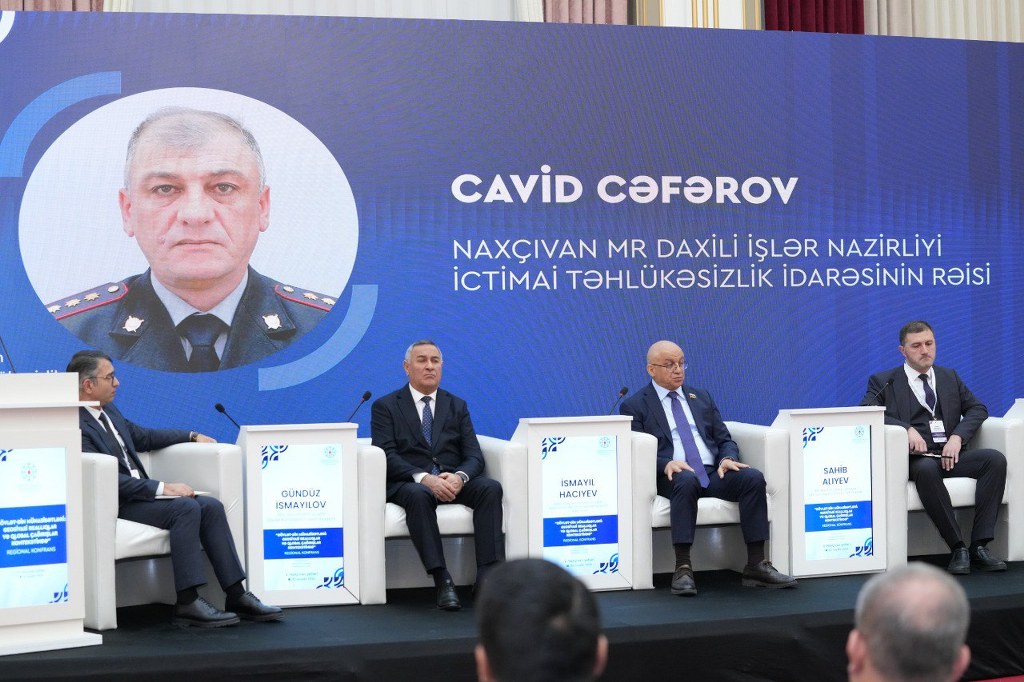
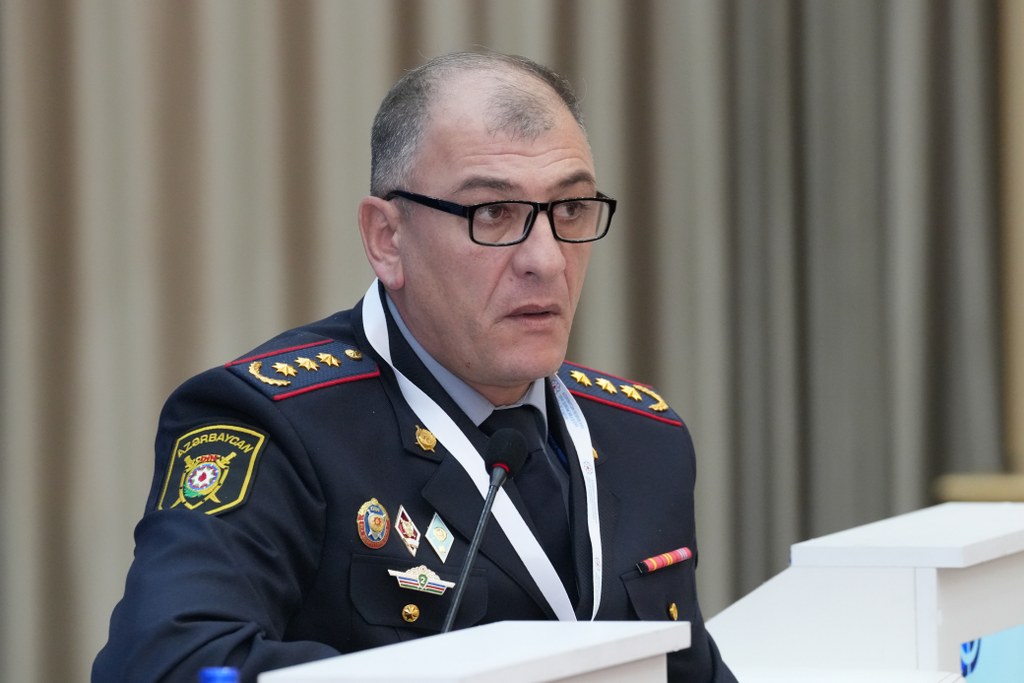
Javid Jafarov, head of the Department of Public Security of the Ministry of Internal Affairs of the Autonomous Republic of Nakhchivan, said that ideological security is related to the protection of the moral and political foundations of society and the prevention of the spread of extremist ideologies. By ensuring religious harmony and state security, it is possible to achieve effective results in the fight against threats such as religious radicalism, extremism, and the joint efforts of not only law enforcement agencies, but all layers of society. J. Jafarov added that religious freedom is a fundamental right of every individual and this right is protected by the Constitution and other laws in the Republic of Azerbaijan.
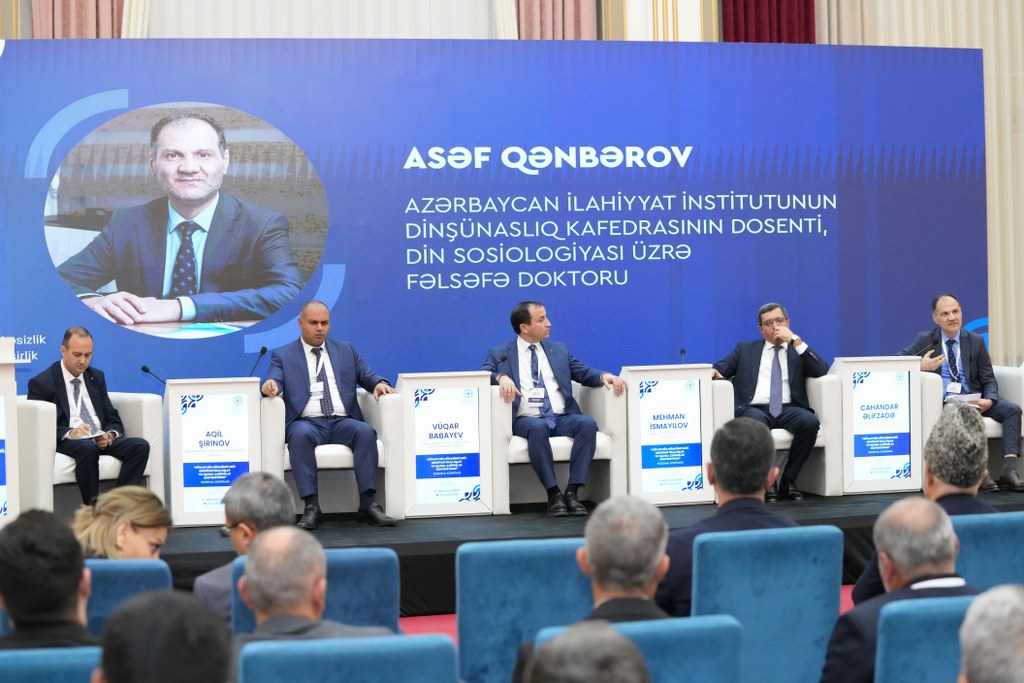
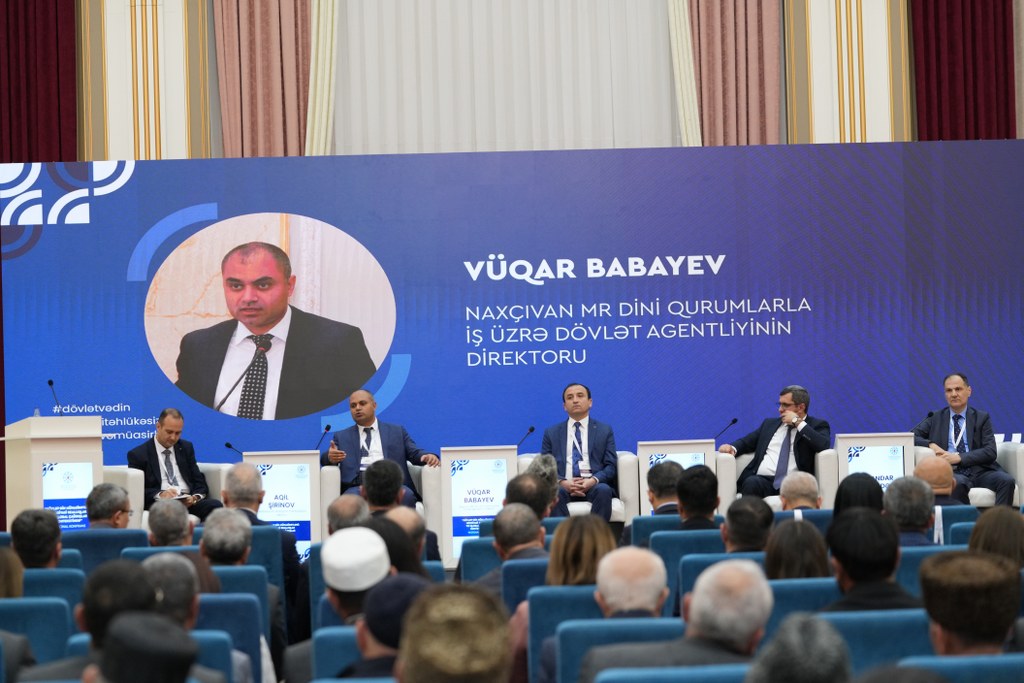
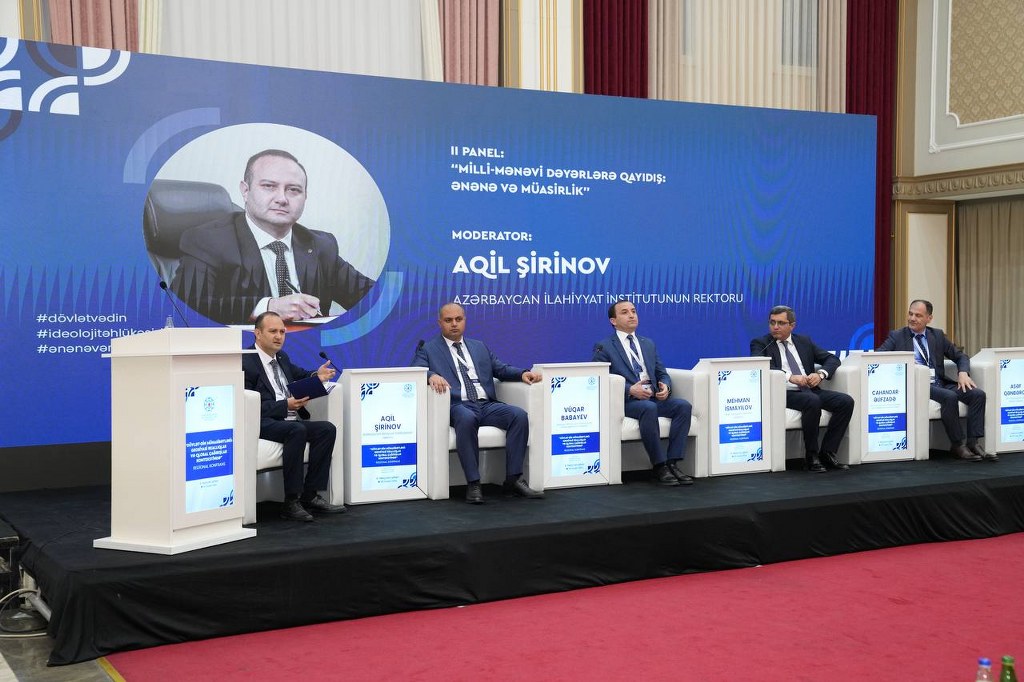
Later, a panel session called "Return to national-spiritual values: tradition and modernity" was held. In the session moderated by Agil Shirinov, rector of the Azerbaijan Institute of Theology, speeches were heard on topics related to the tasks ahead in the direction of strengthening the traditions of multiculturalism and tolerance of our country in the modern era, when ideological risks are increasing, and global challenges related to the development of interreligious dialogue.
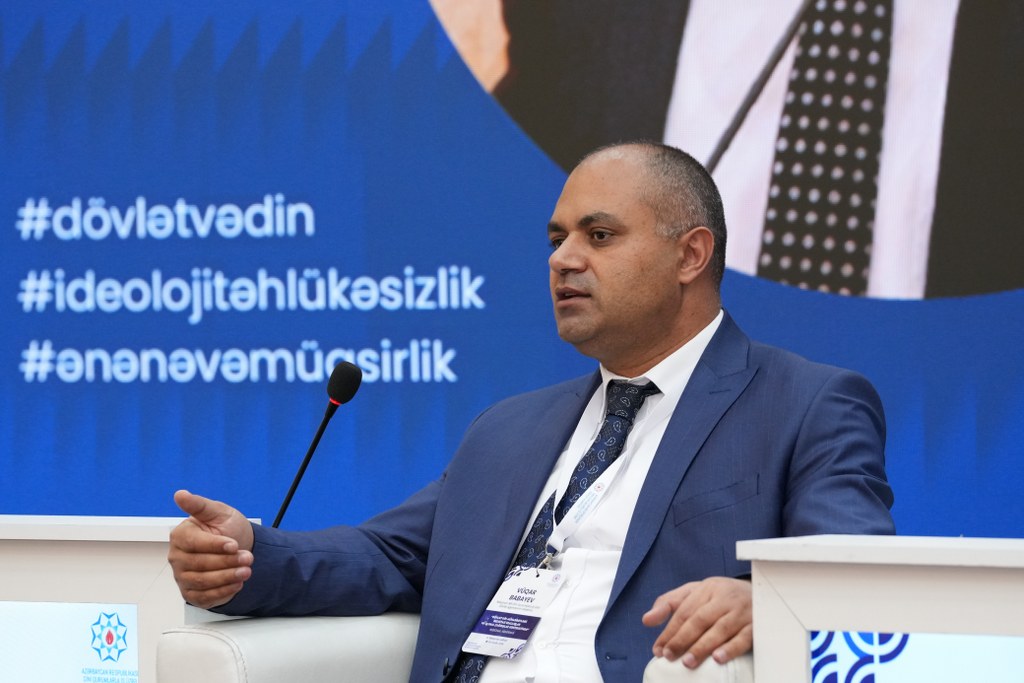
Vugar Babayev, director of the State Agency for Work with Religious Institutions of Nakhchivan MR, said that the protection of our national and moral values from foreign influences is connected with the exceptional role of Heydar Aliyev in the history of our statehood. The 44-day Patriotic War, which resulted in the great victory of Azerbaijan under the leadership of the victorious Supreme Commander Ilham Aliyev, also revealed once again that there is no alternative to the ideas of the Great Leader Heydar Aliyev, which is based on national unity, solidarity, national moral values and national self-awareness. V. Babayev emphasized that sometimes it is wrongly thought that there is a contradiction between tradition and modernity. In order to protect and develop national and moral values, we should not put these two concepts against each other, on the contrary, we should combine them harmoniously.
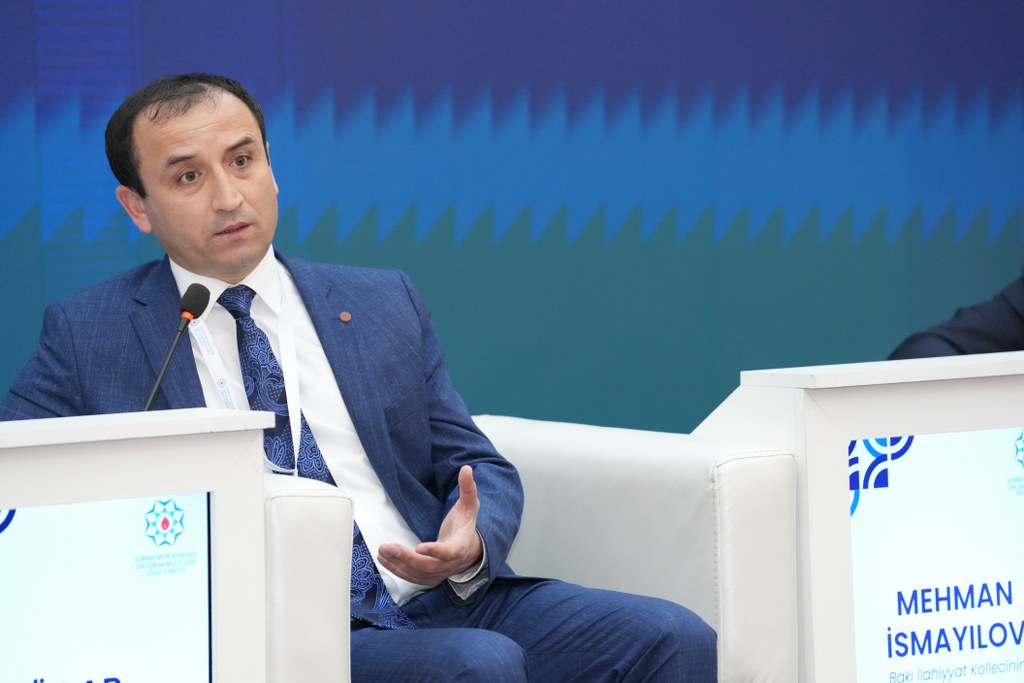
Director of Baku Theological College Mehman Ismayilov said that religious values are part of national values. Putting religious values against national values and targeting national identity in the name of religion is unacceptable. M. Ismayilov said with regret that some people consciously and others unknowingly exploit religious topics for their own purposes. We must constantly fight against such attempts, and try to preserve our values and pass them on to future generations.
In his speech, Jahandar Alifzade, the head of the Religious Affairs Department of the State Committee on Affairs with Religious Associations, touched on the consequences of creating a contradiction between traditionalism and modernity, the distraction of girls from education, the negative attitude towards the secular state structure and other similar issues. He said that such negative tendencies lead to the emergence of attempts to use religion for political purposes, and the spread of views of radical, fanatic and extremist groups.
Speaking about the new stage in state-religion relations, Asaf Ganbarov, associate professor of the Department of Religious Studies of the Azerbaijan Institute of Theology, said that the differences between secularism and post-secularism are philosophical differences that determine the relations of religion with society and the state, as well as how this relation should be formed. Sharing his views on how the debates and criticisms between these two approaches will develop the relations between religion and society, the associate professor said that all this will lead to deeper and more complex discussions in the future.
Speaking at the end of the conference, Ramin Mammadov, Chairman of the State Committee emphasized that the existing model of state-religion relations in Azerbaijan is based on a strong state, national solidarity based on citizen identity, and a system of views expressing the common interests of the society about the future. The purpose of the state is not to control people's individual choices regarding religious freedom, but to preserve the harmony of beliefs and public interests. When assessing the current risks in the context of global challenges, Azerbaijan bases the analysis of possible or probable threats against the background of our achievements. This makes it possible to draw more clear, concrete and useful conclusions. Expressing his gratitude to the participants for the effective exchange of ideas at the conference, R. Mammadov noted that all the proposals voiced at the event will be analyzed and taken into account.
After the discussions, the conference finished its work.